Picher, Oklahoma was once a prosperous mining town. At its height it was home to around 20,000 people. Now, it’s home to less than ten. In 2009 the town officially dissolved itself and that same year all residents who wanted one were given federal buyouts to leave the town.
When I began this project that’s what I thought would be the whole of the final product. But I’ve visited Picher four times now and I can say that there’s a lot more to the story.
The town is mostly dead — as far as I can tell there are three homes (either families or single residents I’m not sure) still inhabited. But people still love Picher and come back to visit fairly regularly. I was lucky enough to catch their annual Christmas parade. (A dead town has a Christmas parade, how wild is that?) And in June they also hold an all school reunion in nearby Miami, Oklahoma.
This shift in understanding isn’t well displayed in the photos I’ve chosen for this project because it’s a more recent revelation and I don’t feel I shot the parade well enough to include too much without losing some of the cohesion of the essay in other aspects.
The reality is this town is more like a relative in a nursing home that the whole family loves and that they come to visit as often as they can. I want to try and show that moving forward with this project outside of class. To do so I may need to move away from the style developed for this part of the essay.
That being said I still want this to be a conservation story so I need to figure out how to continue to tell it as such while moving more towards the people of Picher and their relationship to the town.
Anyway, here are the photos. It’s 15, not 12, because I’m bad at editing and can’t figure out what to edit down.
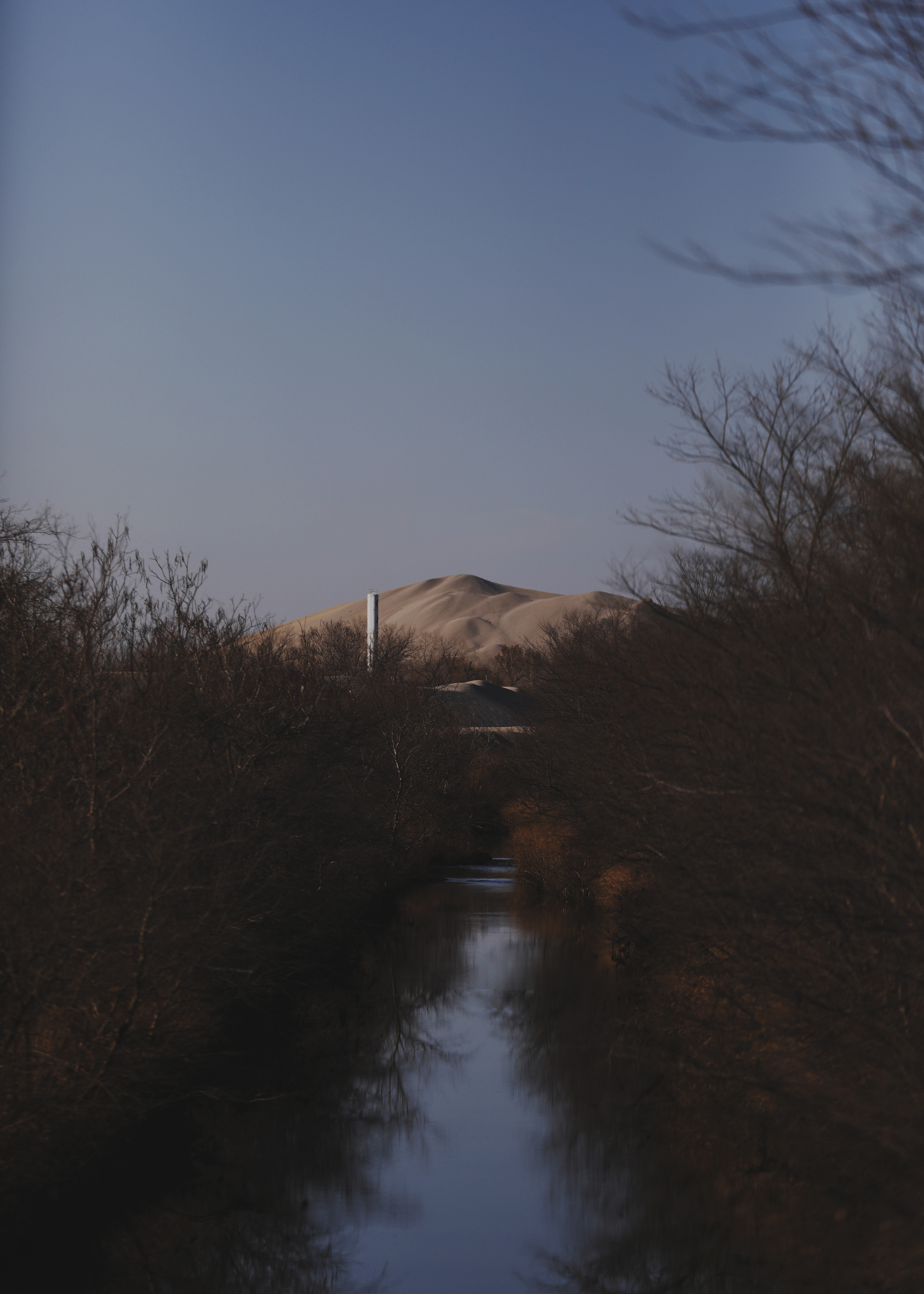
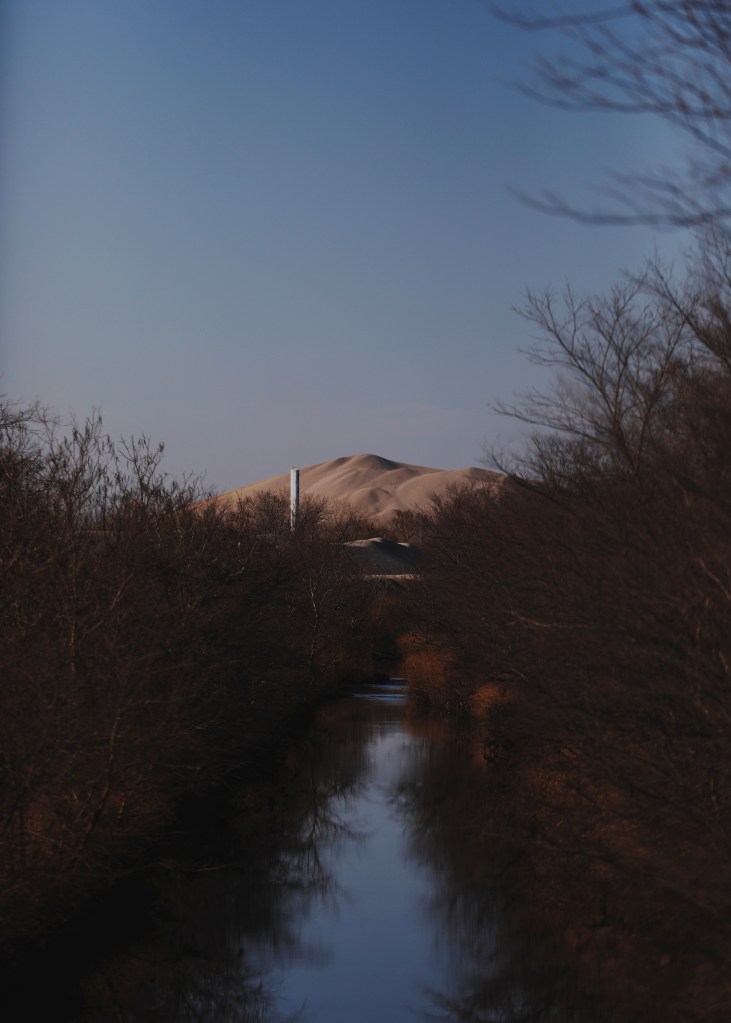
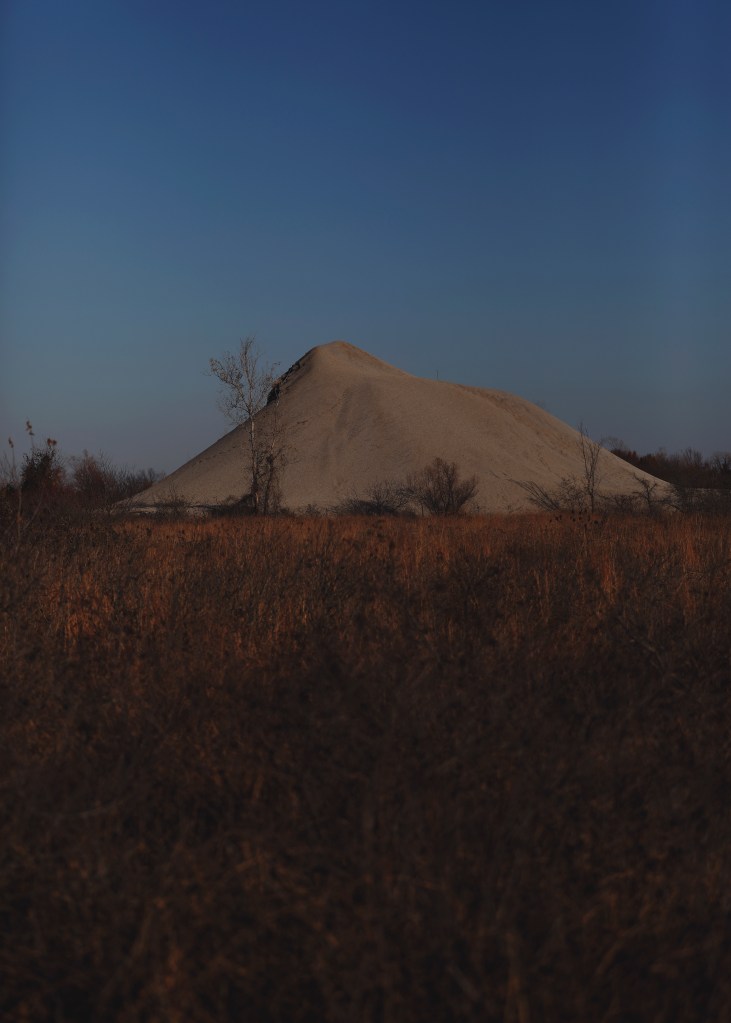
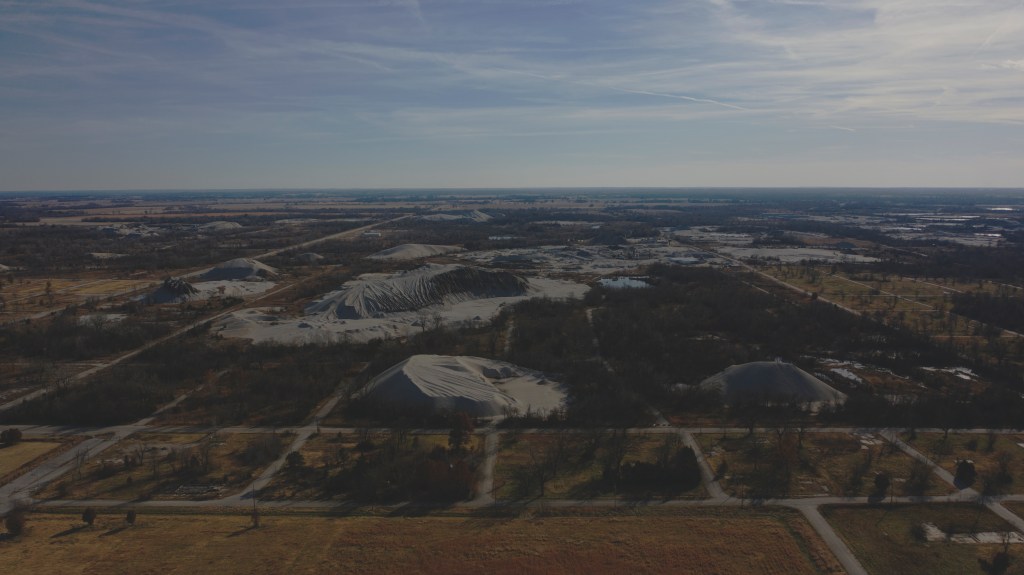
Looking north from the ghost town of Douthat, Oklahoma along Tar Creek a chat pile rises like a mountain from the ghost town of Picher, Oklahoma. Tar Creek runs between the former towns of Picher and Cardin, Oklahoma. The EPA superfund site in the area gets its name from the creek. Water is everywhere around Picher and the surrounding area. When the mines were abandoned in the 1970s the miners turned off the water pumps and old tunnels were flooded. The acidic and contaminated water found its way into the local aquifer. Ethan Weston 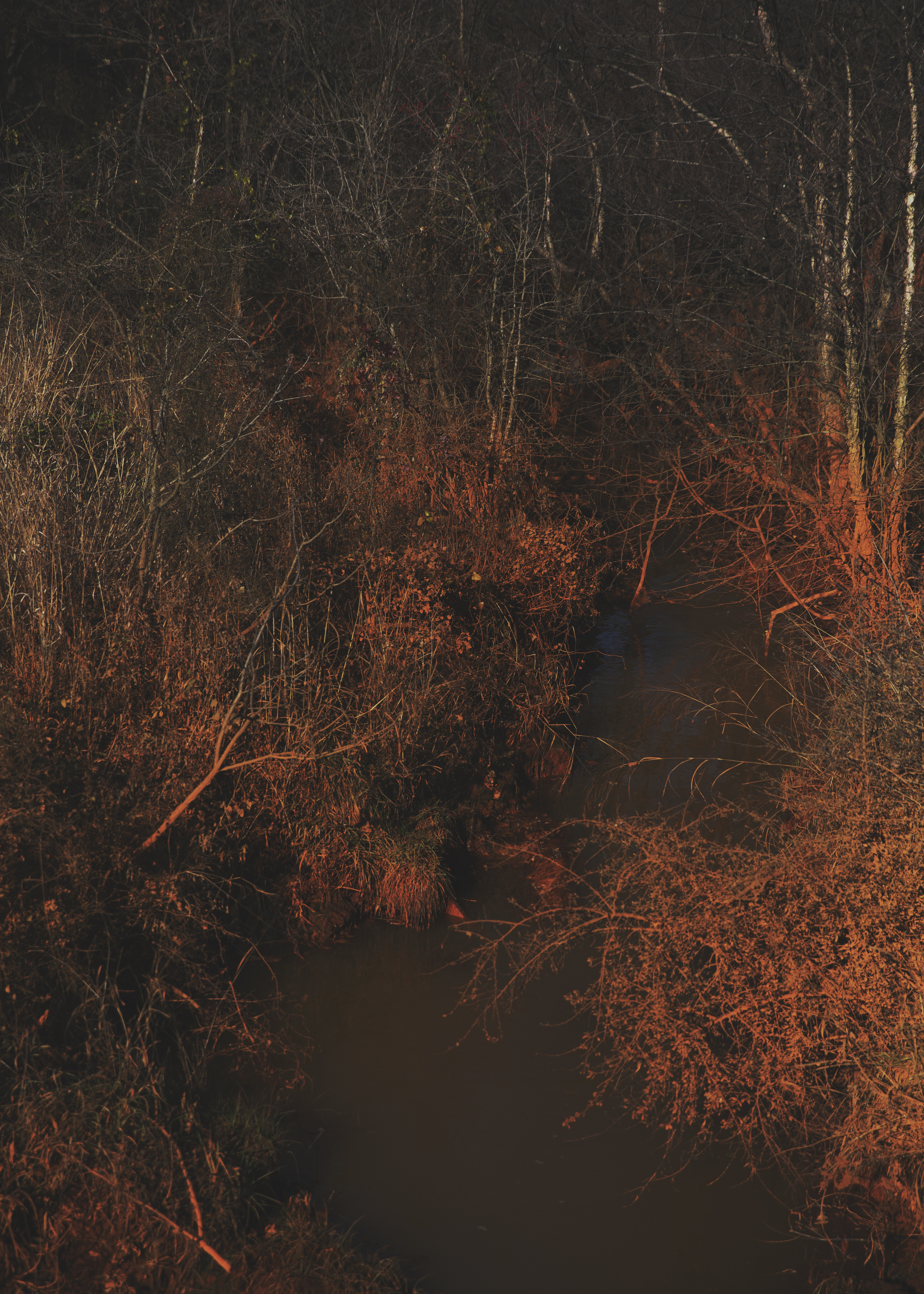
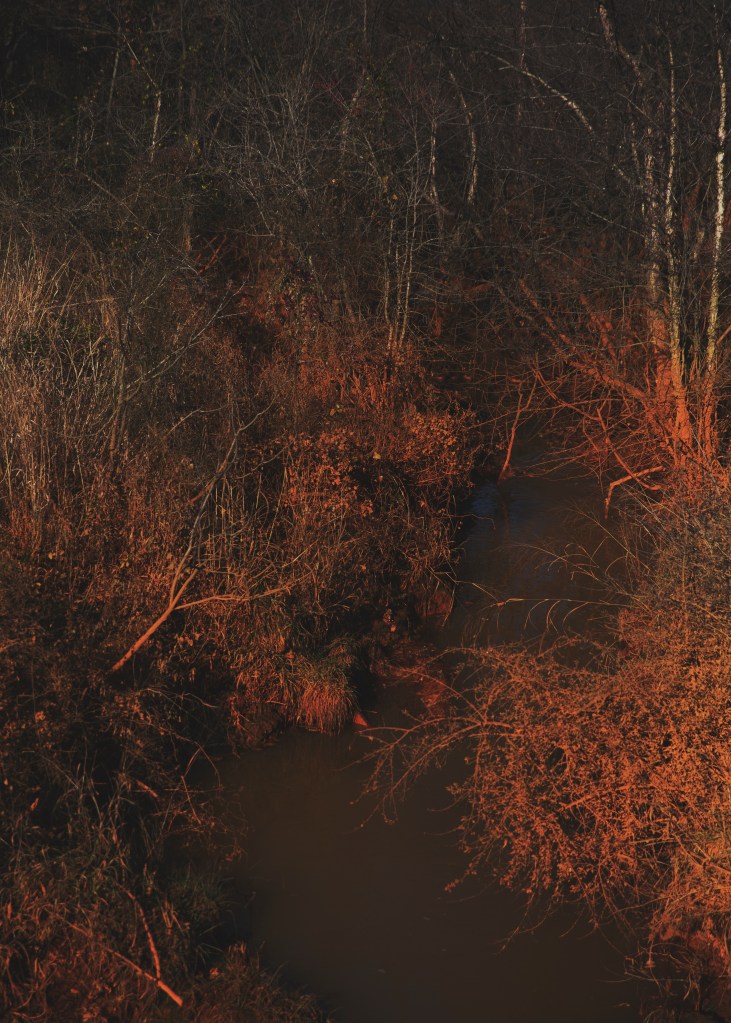
A tiny, unnamed creek flows out from an old mining site near the ghost towns of Picher, Cardin and Douthat in Oklahoma. The orange color on the plants is from oxidized metals which are in the water. The water itself is also orange and acidic from mine waste. This tiny creek flows into Tar Creek. Eventually Tar Creek flows into the Neosho River and from there into the Grand Lake OÕ The Cherokee. Ethan Weston 
Piles of chat arenÕt ever very far out of sight in Picher. The piles are leftover mining waste from PicherÕs past. On windy days the contaminated dust, gravel and grit gets blown all over town. When people lived there people played on and around the chat piles all the time. And, when people lived there, high levels of lead were found in the blood of children. Higher than average rates of miscarriages were reported in women in the area too. Ethan Weston 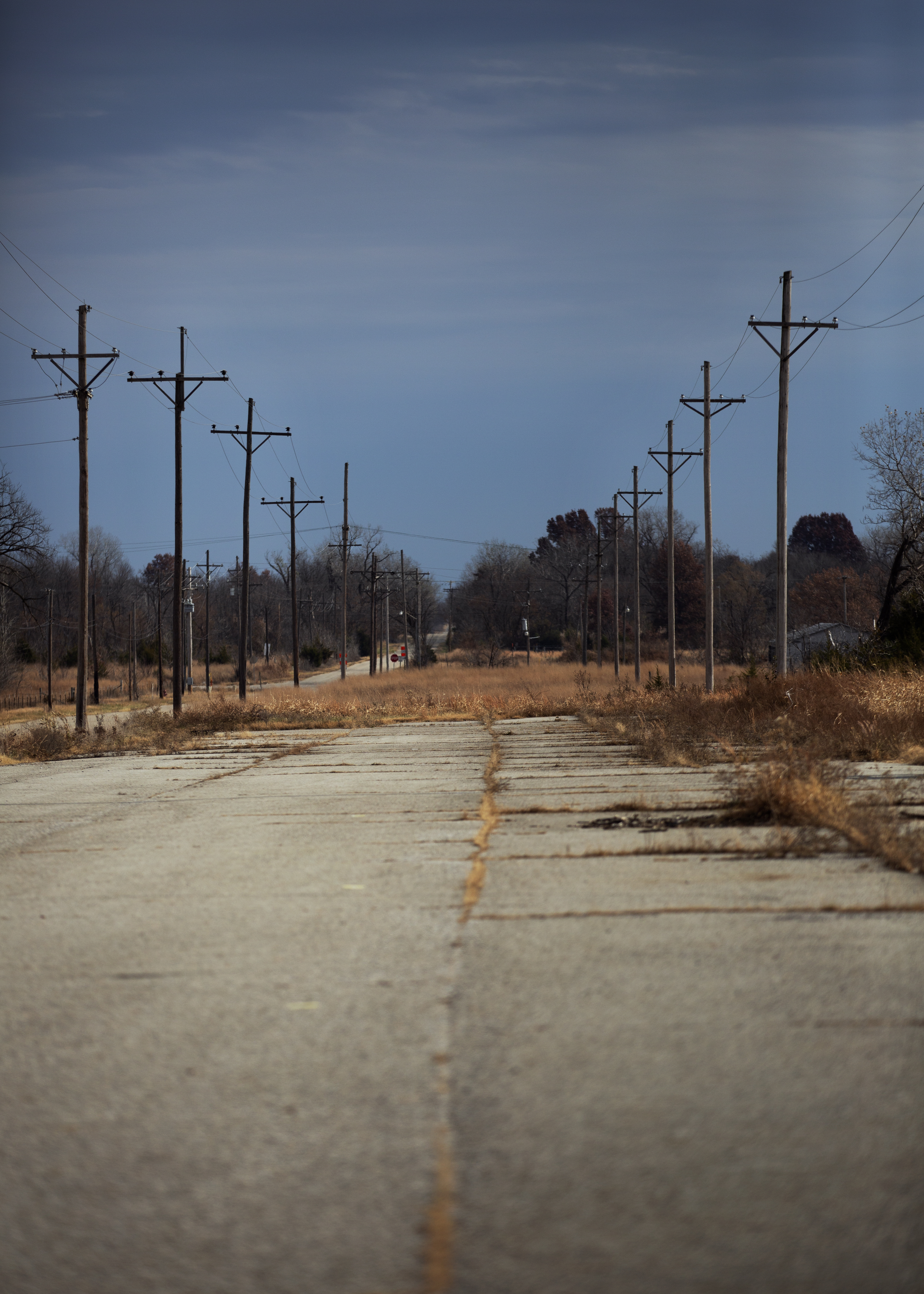
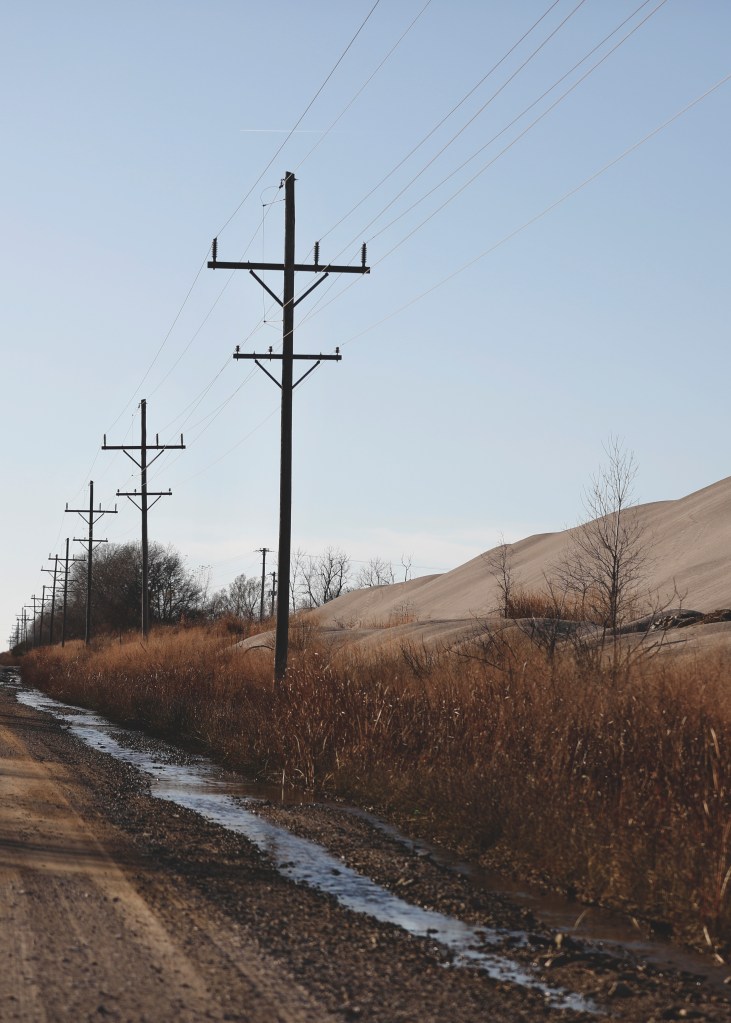
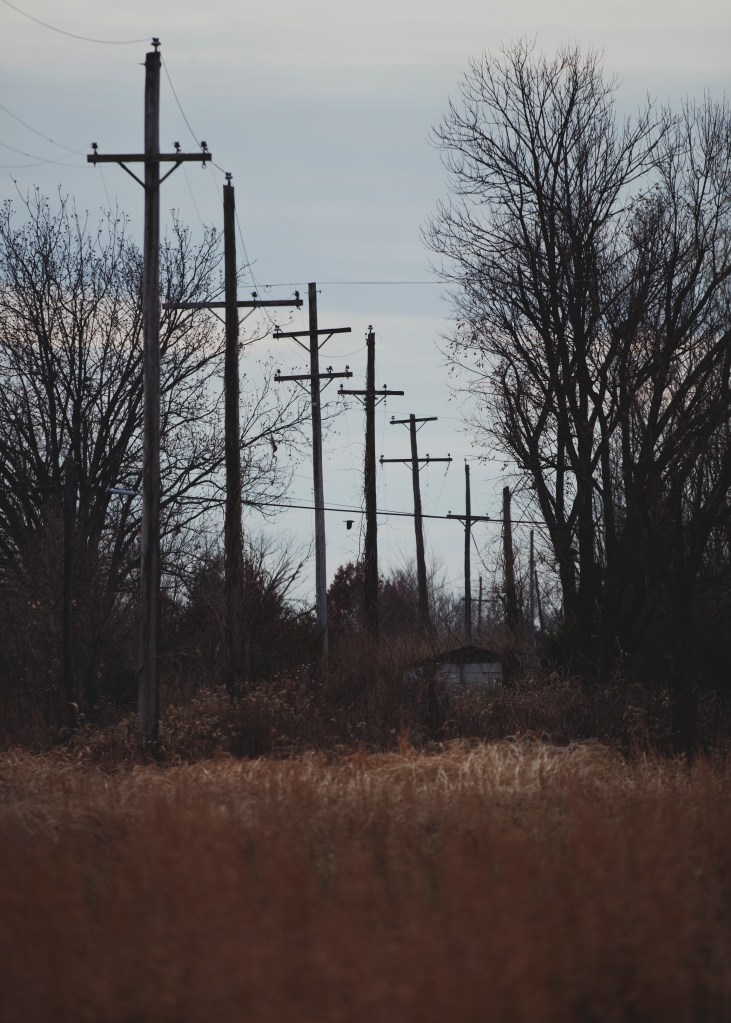
Power lines jut out of the ground all over Picher. Evidence of the town that once was. Mary Ann Heck and her brother Jon Douthitt told me when they were kids they would climb all over the chat piles in town and played ball on the dried remains of a slag pond. Ethan Weston 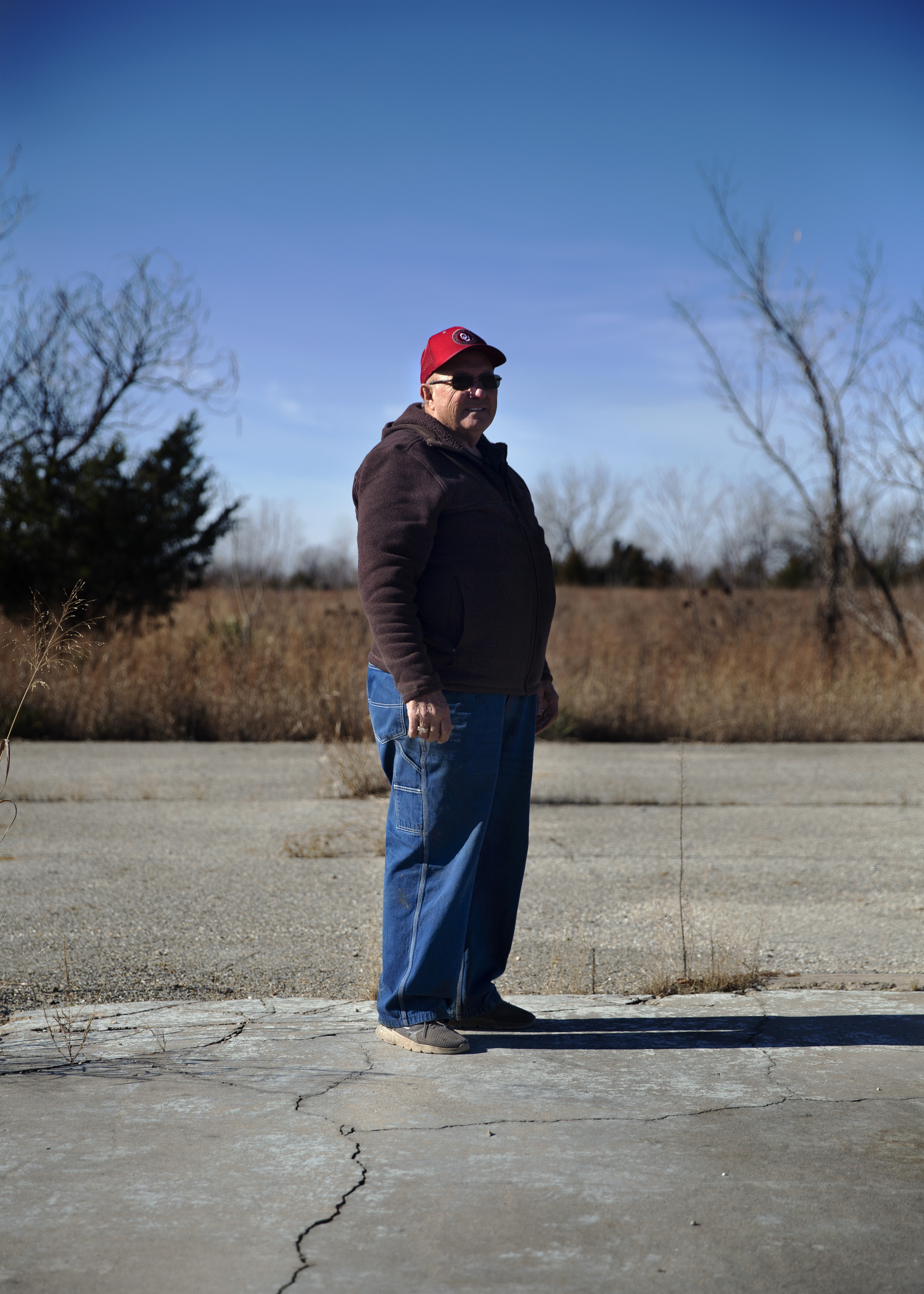
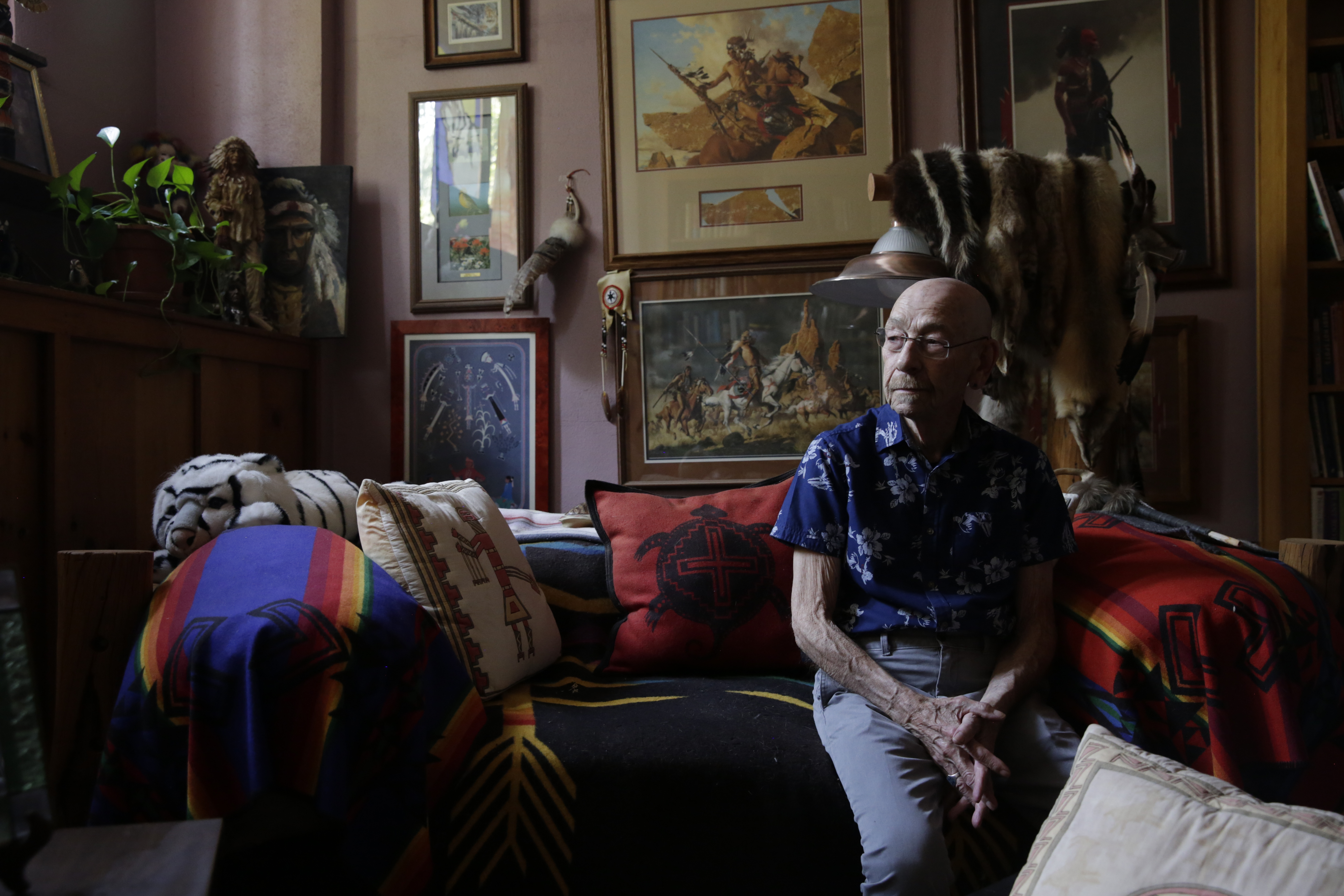
Tom Houston poses for a portrait. Houston told me IÕd never find another group of people that loved their town the way PicherÕs former residents still love the town. Ethan Weston 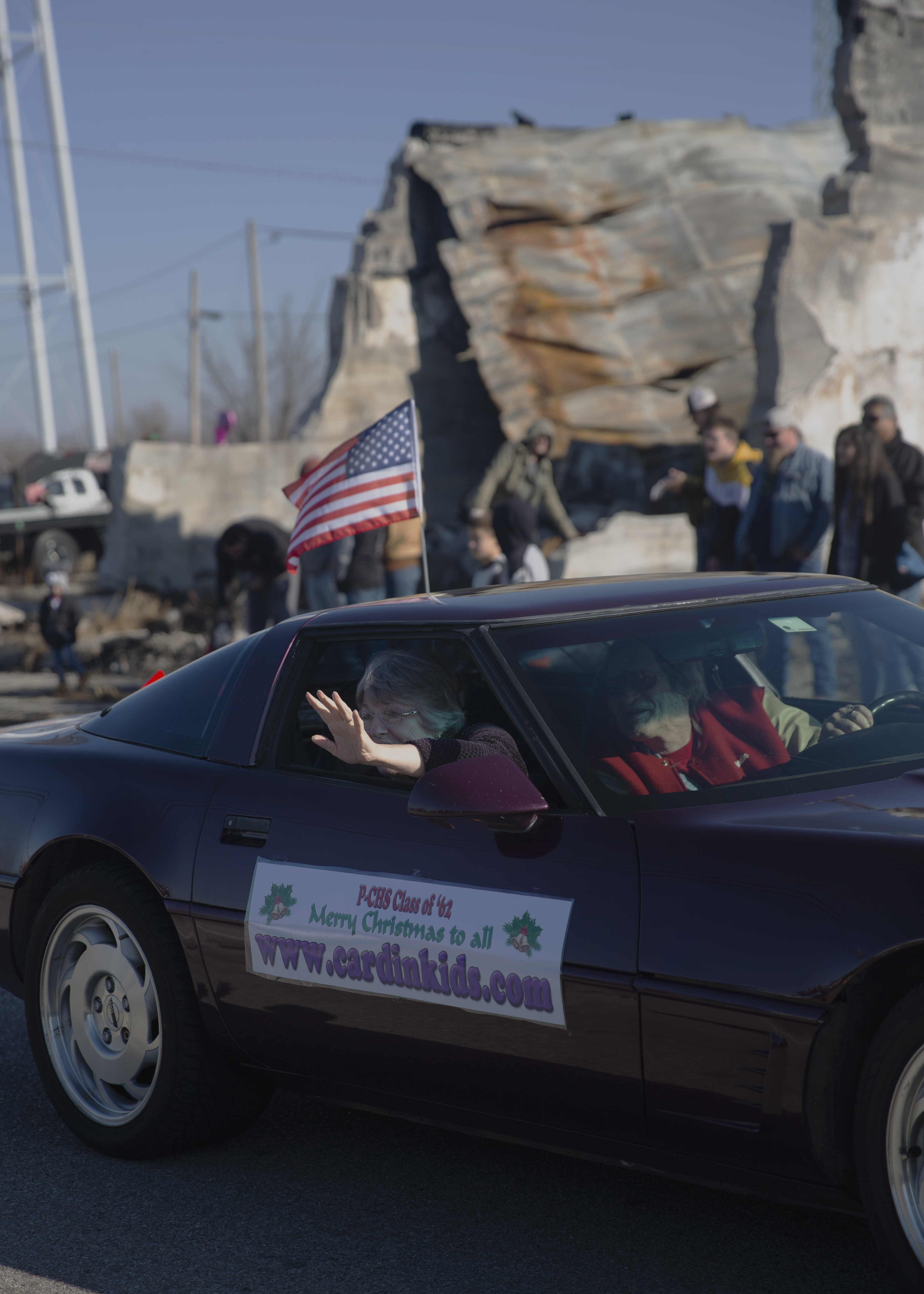
PicherÕs annual Christmas parade was like Torn HoustonÕs words made manifest. The whole event felt more like a family reunion. People ran into the middle of the parade to hug people on floats and or shouted across the road at their long ago neighbors. ÒWhen they make a lake they move the whole town together to a new location. ThatÕs what they should have done to Picher,Ó Mary Ann Heck (not pictured) told me. Ethan Weston 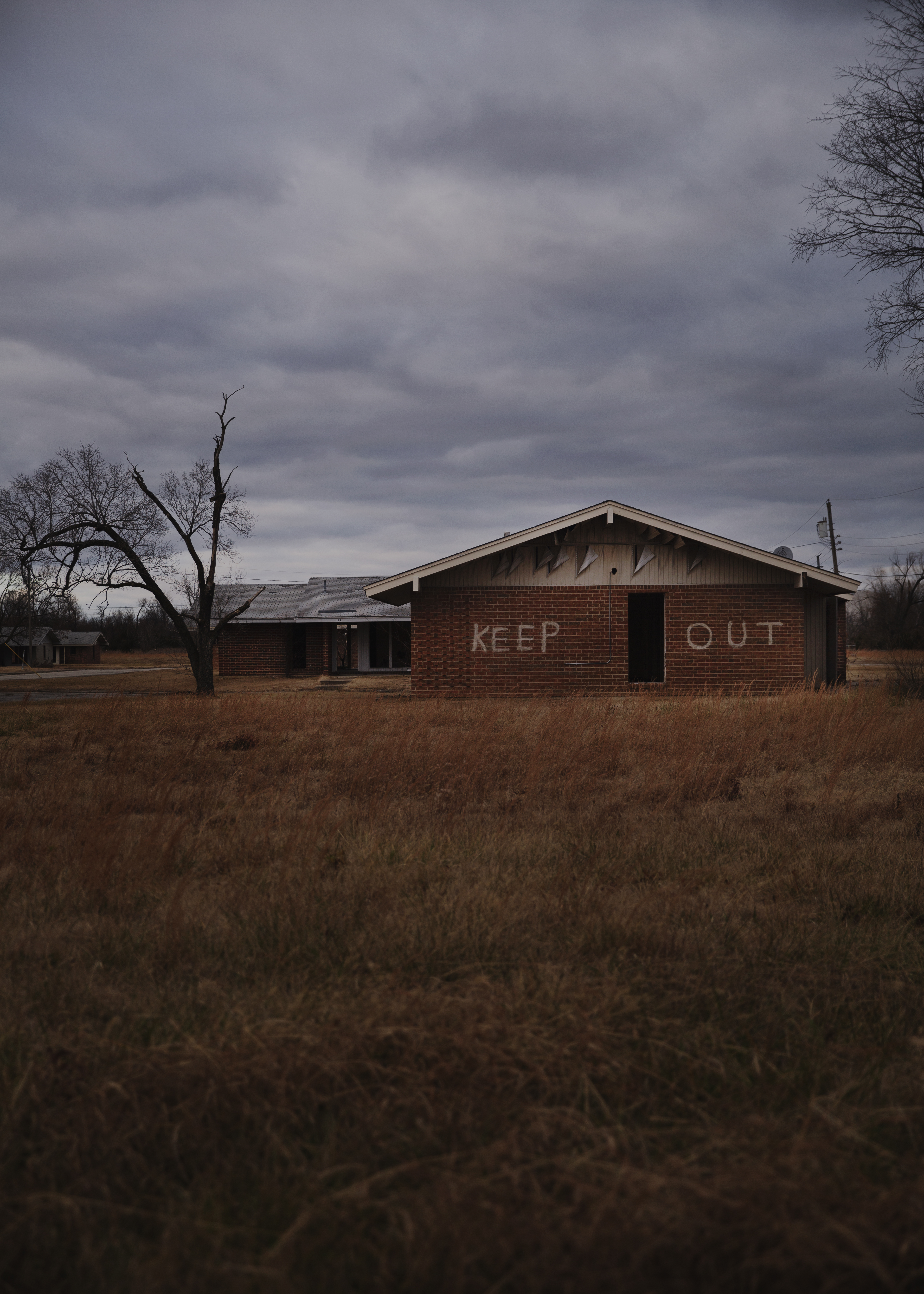
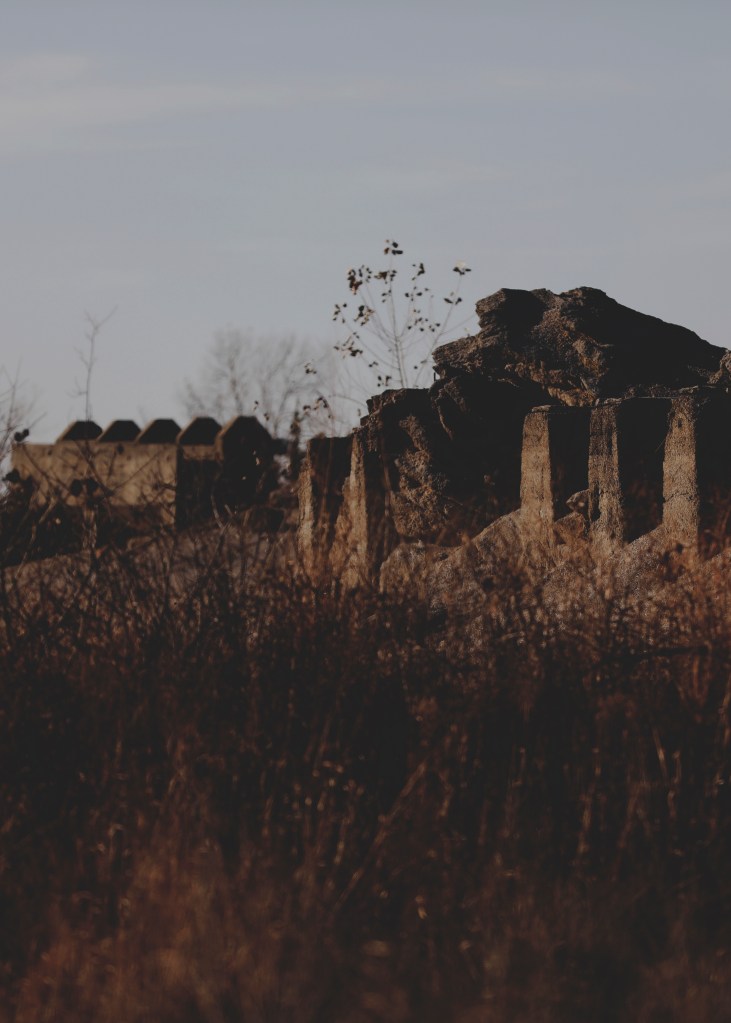
Most of the time, though, Picher is relatively empty. Very few houses survived the 2008 tornado and many that did were torn down. Still, some remain standing and the Quapaw Marshalls sometimes use those still left for training. Ethan Weston 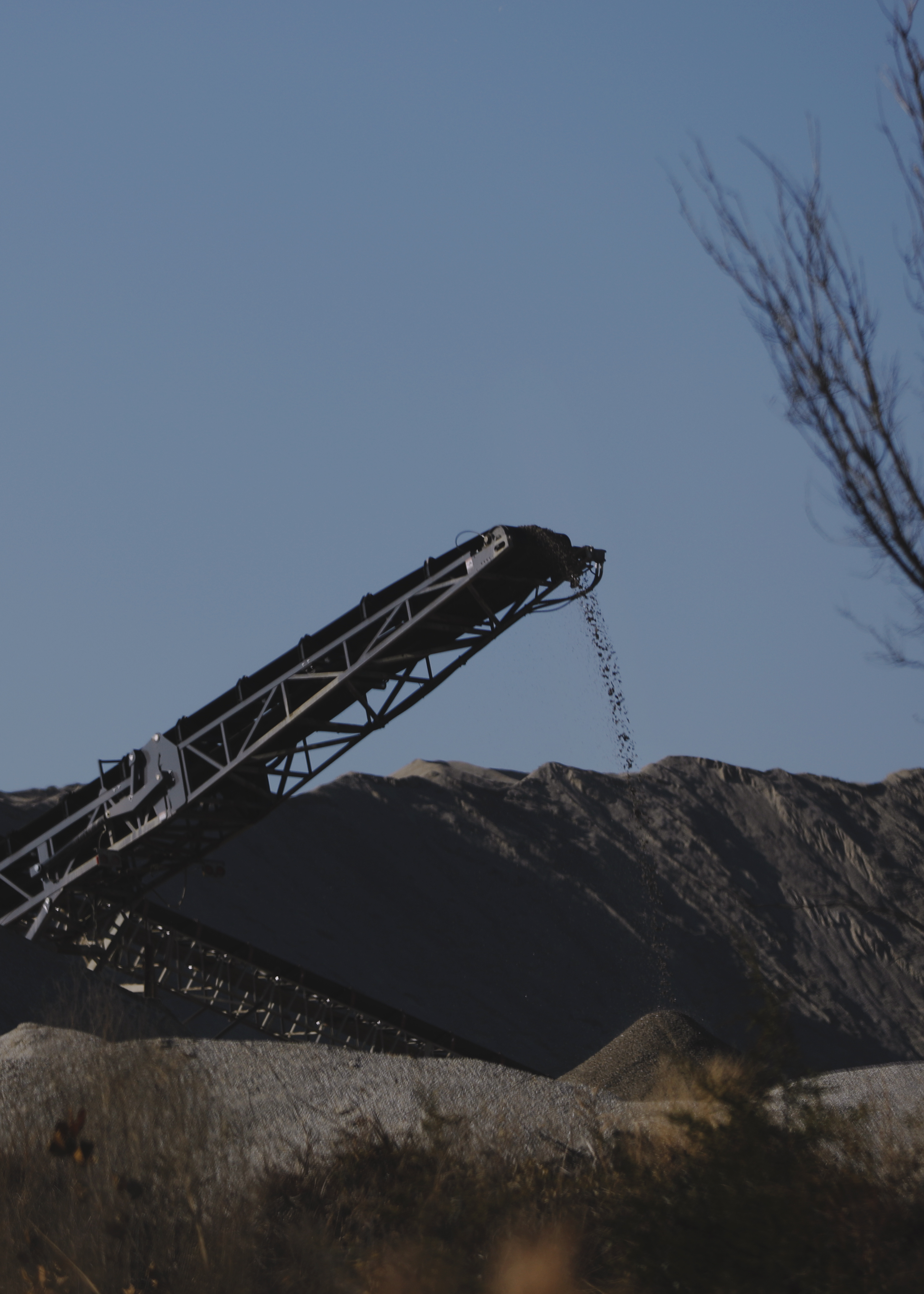
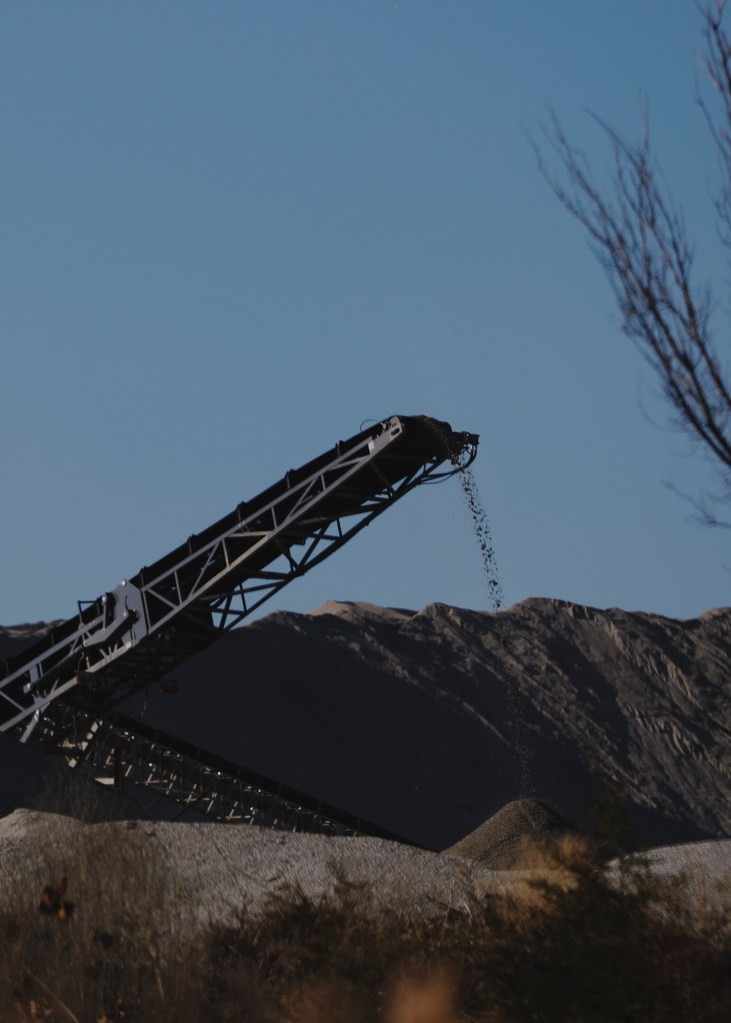
The old mines still serve as a place of business too. The mines may have shut down in the 1970s but the chat produced by the mines is still used for construction projects Ñ mostly in concrete IÕm told. Ethan Weston 
Birds in the sky over Picher. ÒWhen we were offered the buyouts many people felt like they had to take it,Ó Sherri Mills told me. ÒPeople felt like if they didnÕt take it the government would say Ôwell itÕs Indian landÕ and theyÕd be forced out anyway. Better to take what little we could get than start over with nothing.Ó Ethan Weston 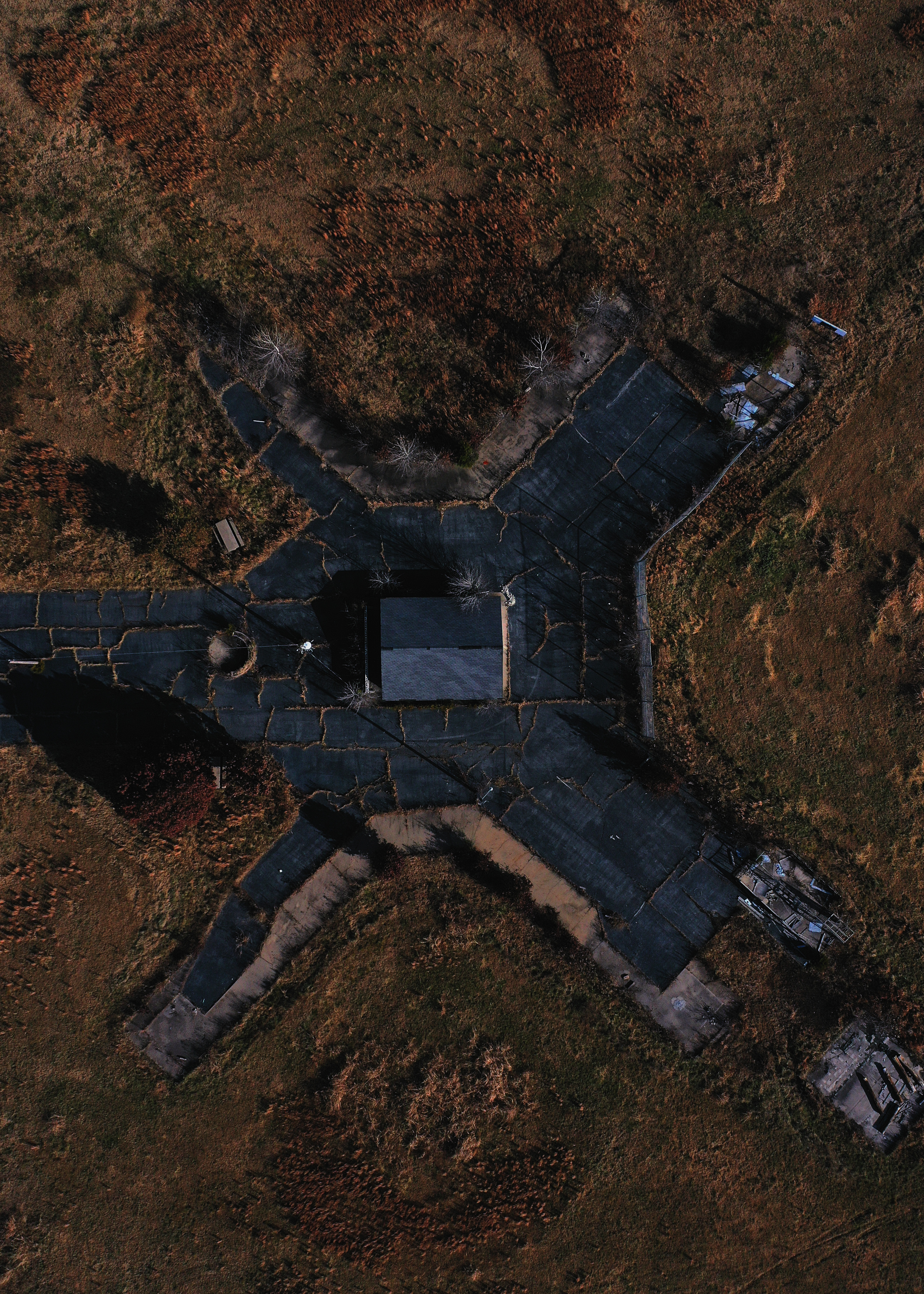
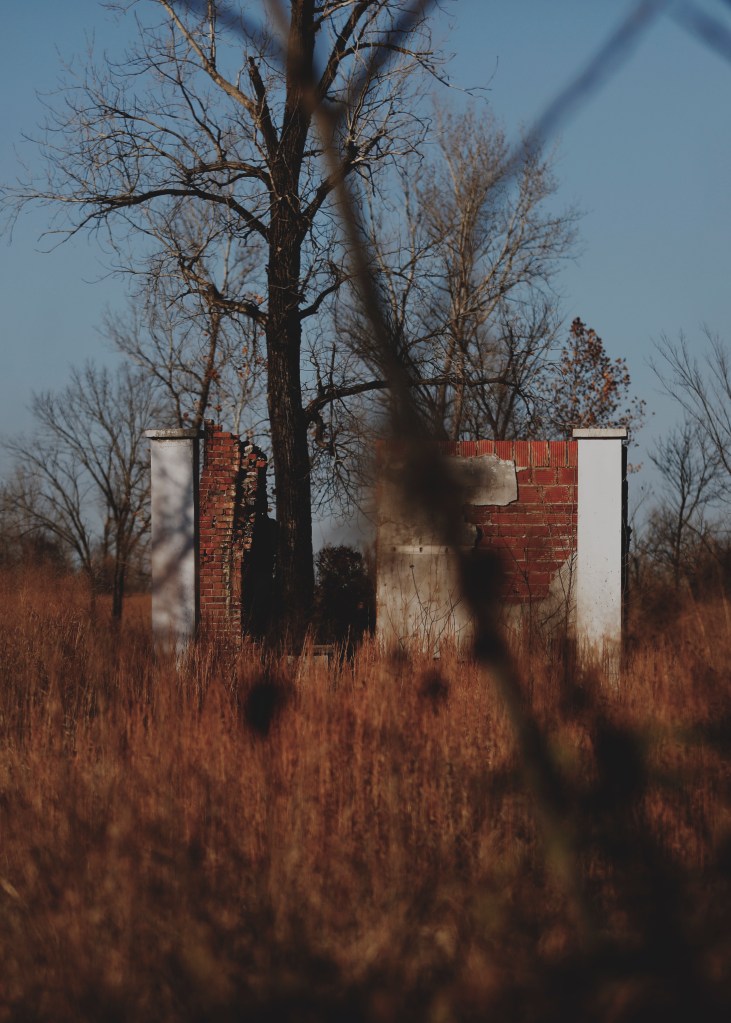
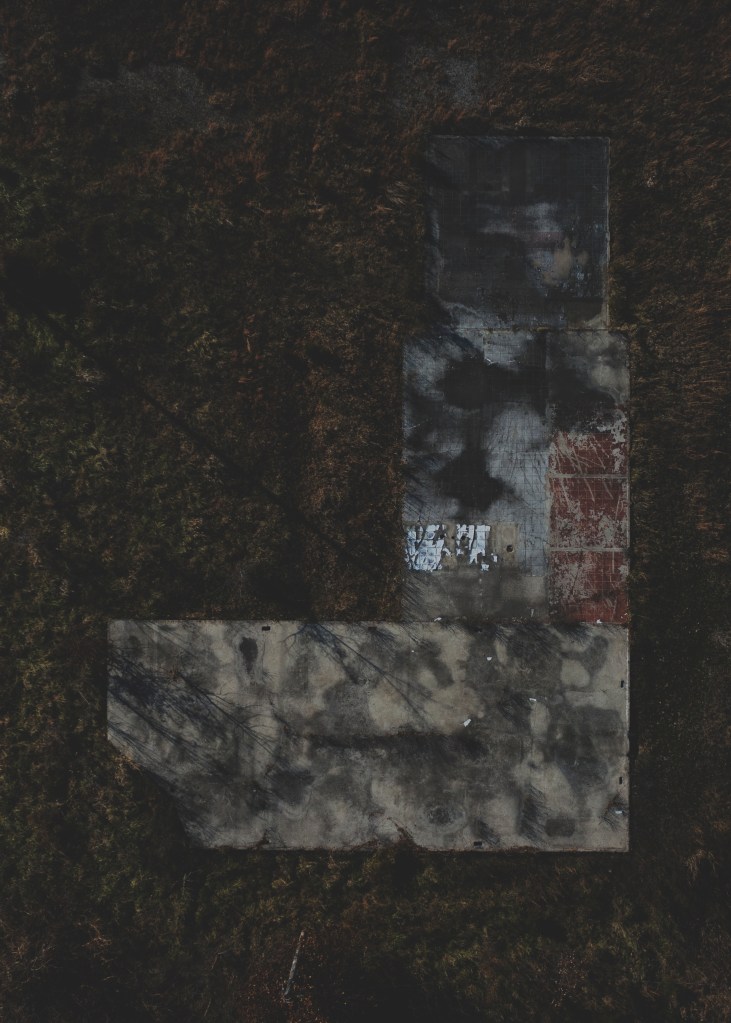
At one point Picher reportedly had two hospitals and over a dozen bars. At its height the town was home to over 20,000 people. Pictured here is all that remains of the baseball diamond and concession stand near the Picher-Cardin high school. Ethan Weston 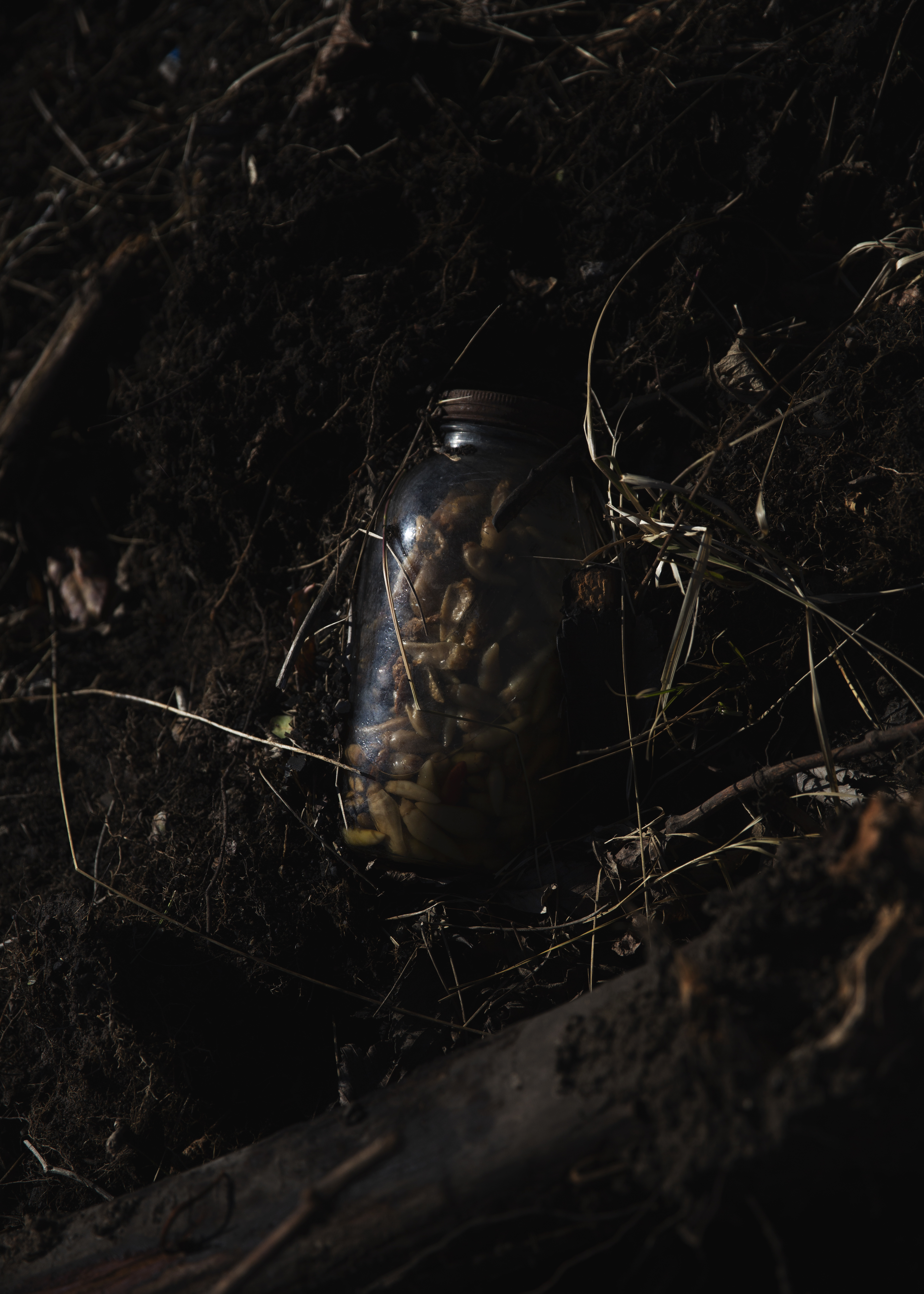
A mason jar full of pickled peppers. On May 10, 2008 Picher was struck by an EF4 tornado. At least 4 people were killed in the Tornado. A few of these jars full of different vegetables lay on the ground on the site of one of the homes destroyed by the tornado. Ethan Weston 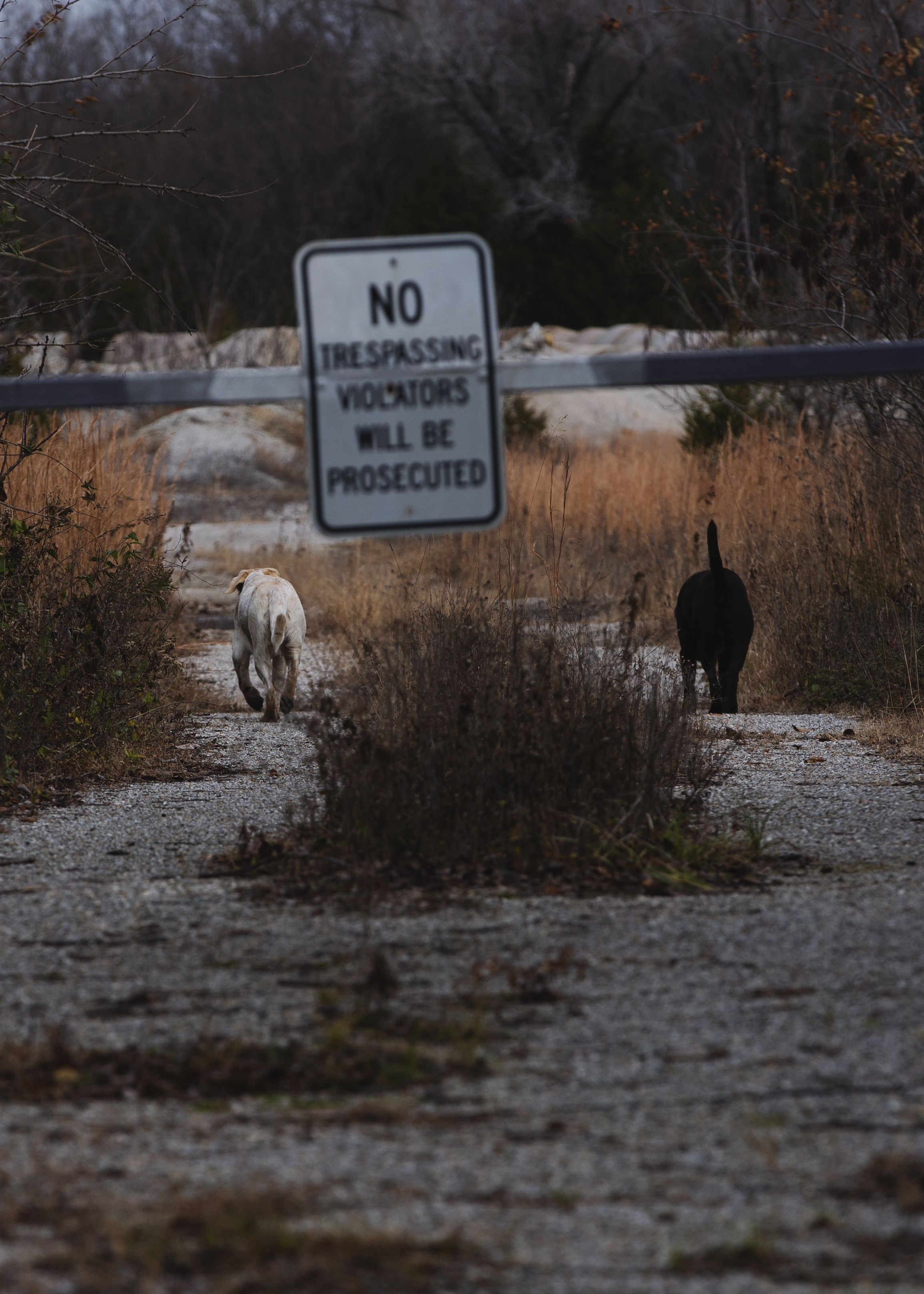
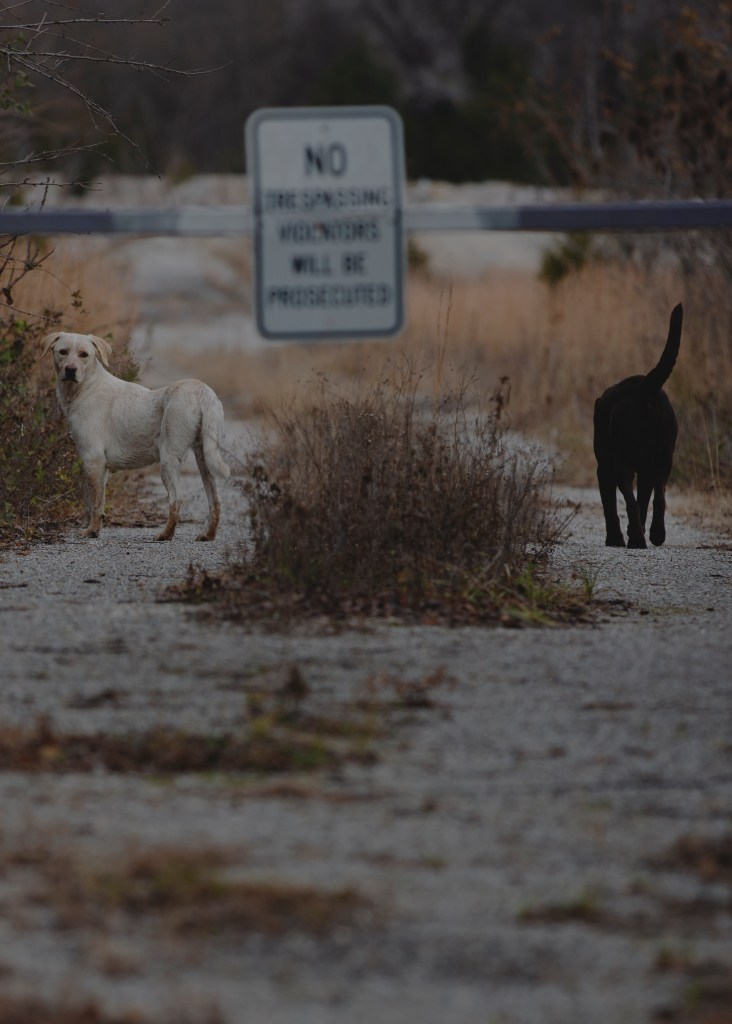
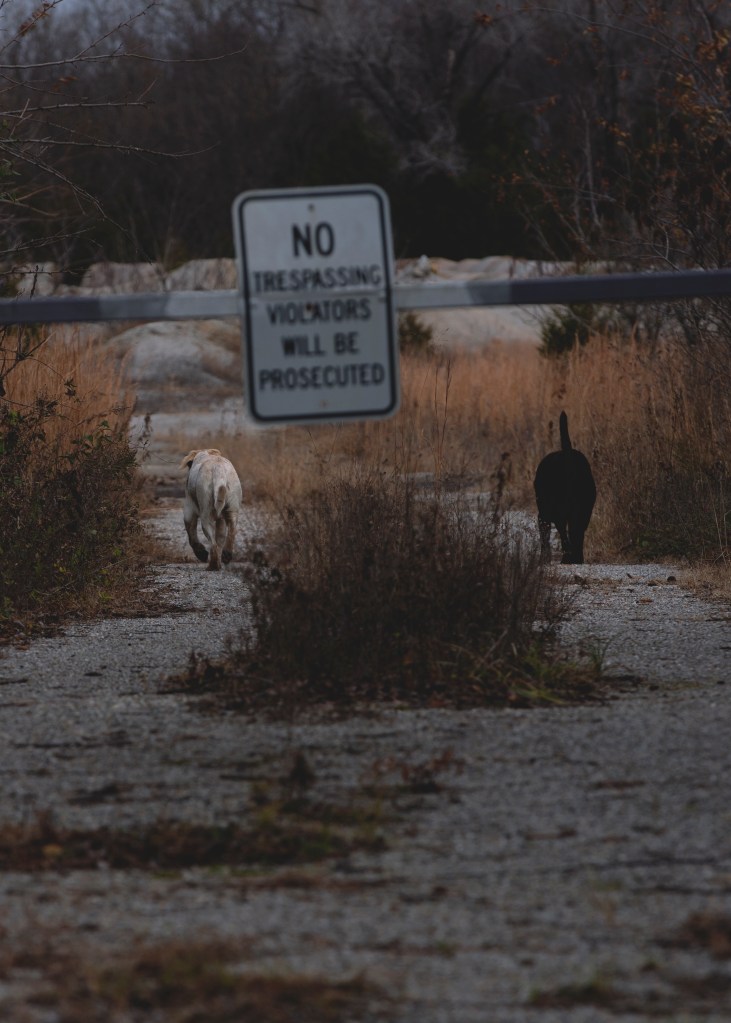
Two dogs decide to do a heckinÕ crime and trespass. Even after nearly everyone left town life still continues in some form or fashion. As far as I know these two dogs were strays, neither had a collar on Ñ though both were pretty friendly and didnÕt look malnourished. I havenÕt seen them since this encounter. Ethan Weston 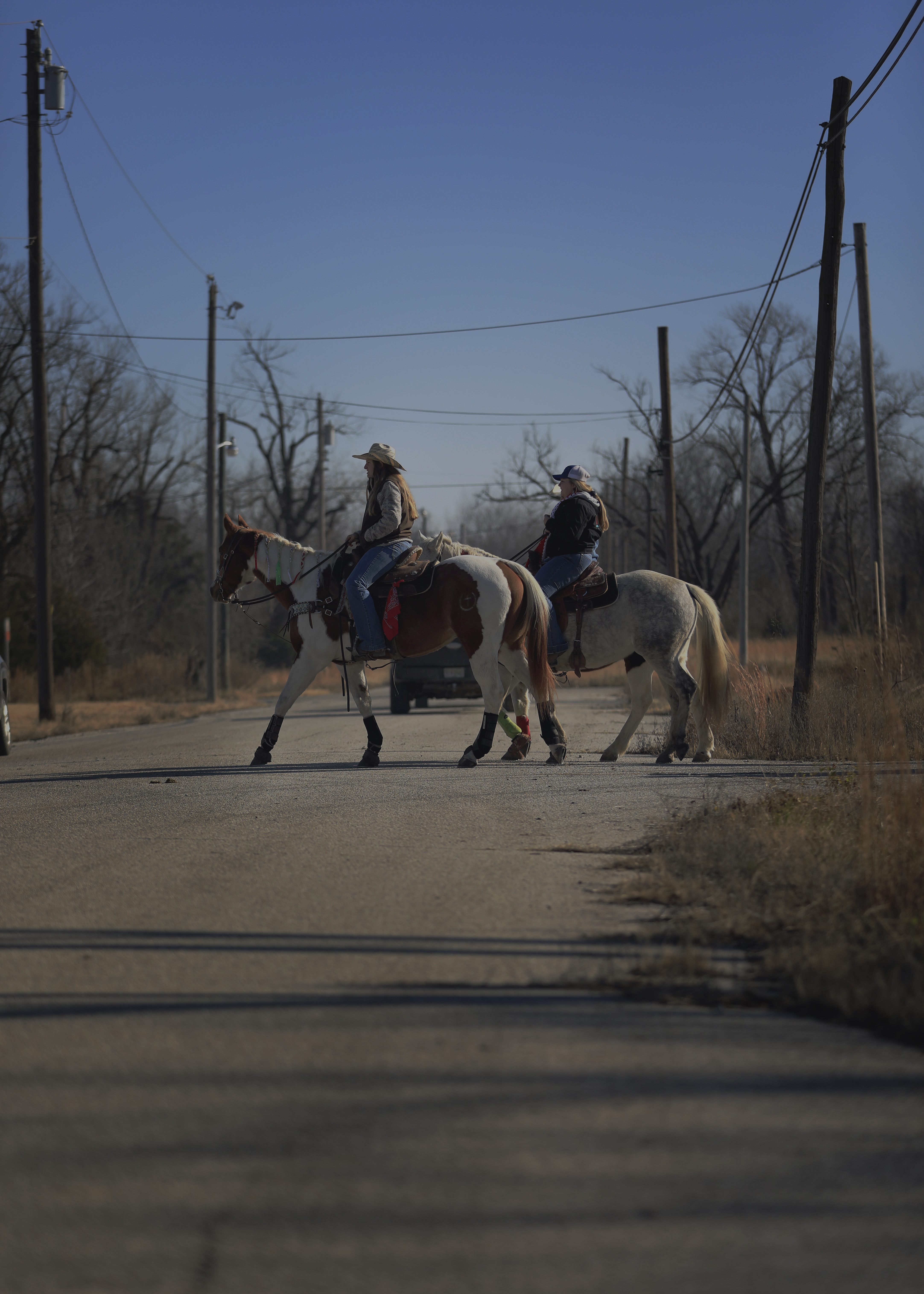
The Picher Christmas parade welcomes anyone who wants to participate. In this case some horse back riders walked the short distance from the school to the old 4-way stop near the edge of town. Ethan Weston 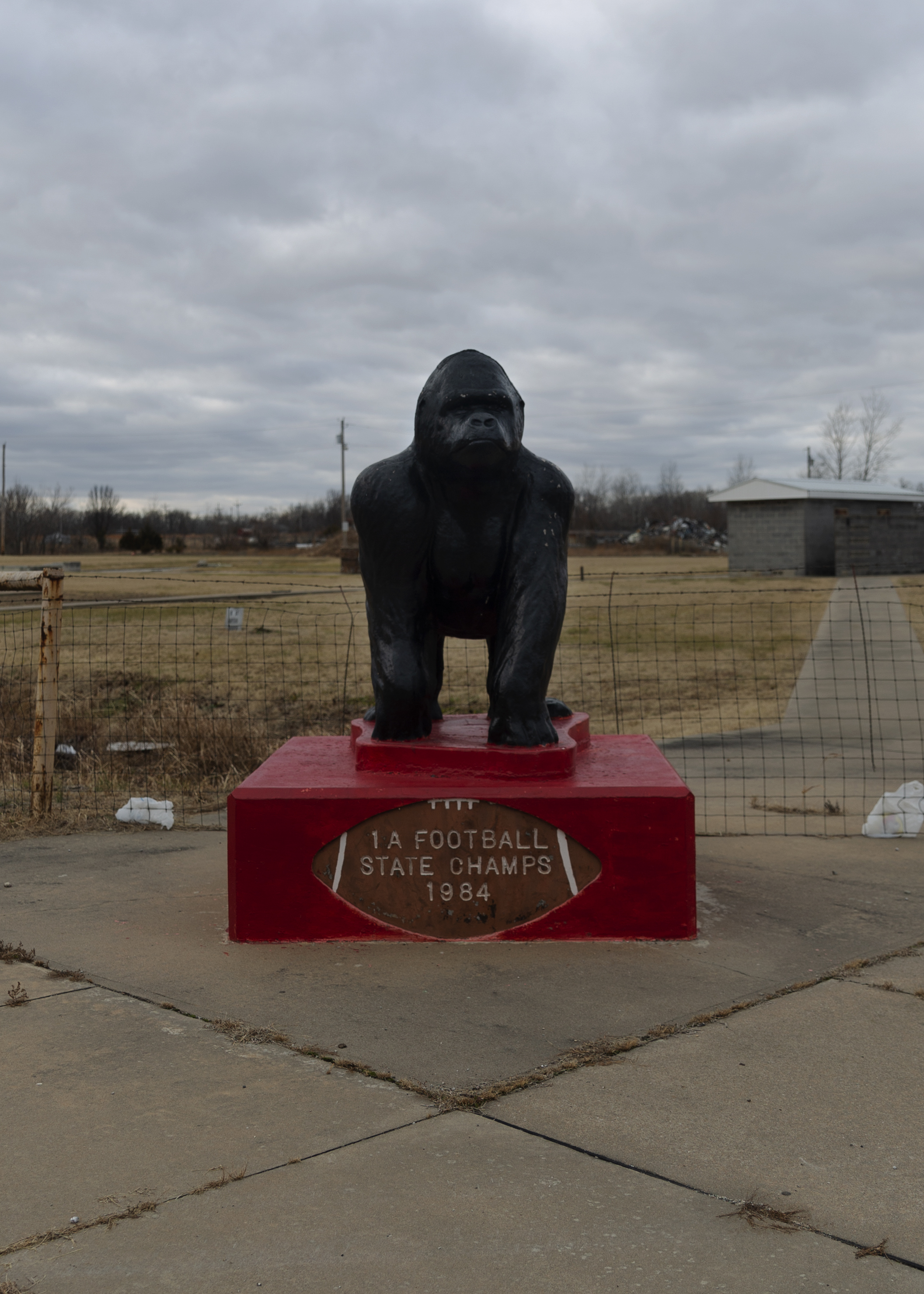
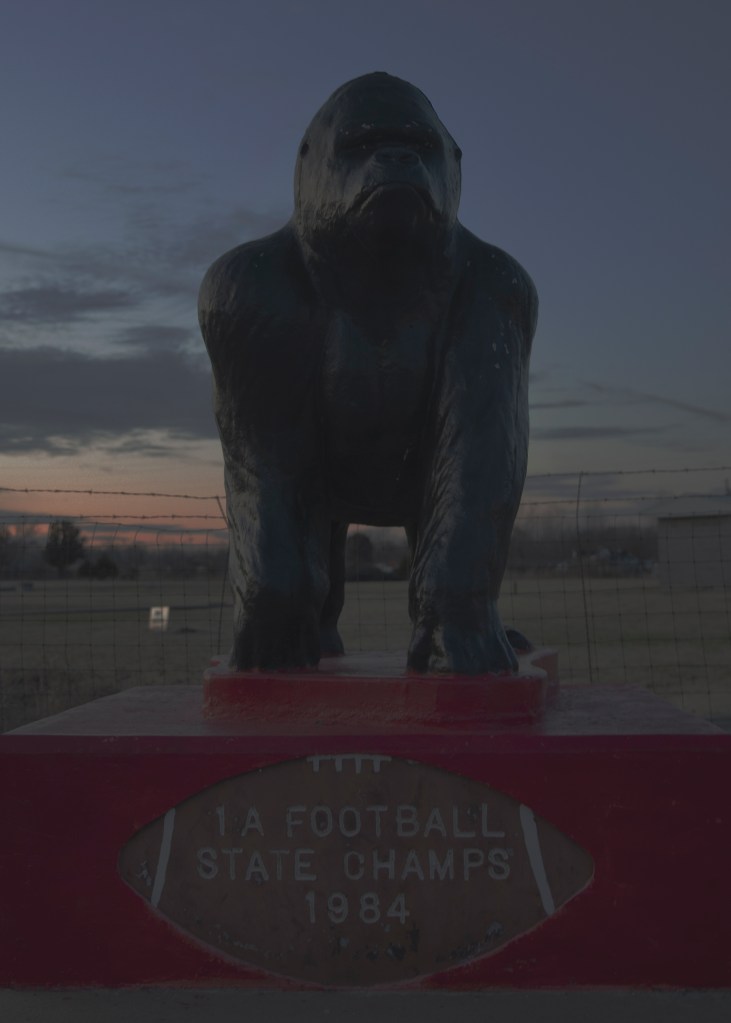
The gorilla and the high school are still very important to the previous residents of Picher. During the summer they have an all school reunion at the college located not far down the road in Miami, Oklahoma. The organizers of the all school reunion are also working to gather funds for a more permanent monument to the town they so love. Ethan Weston 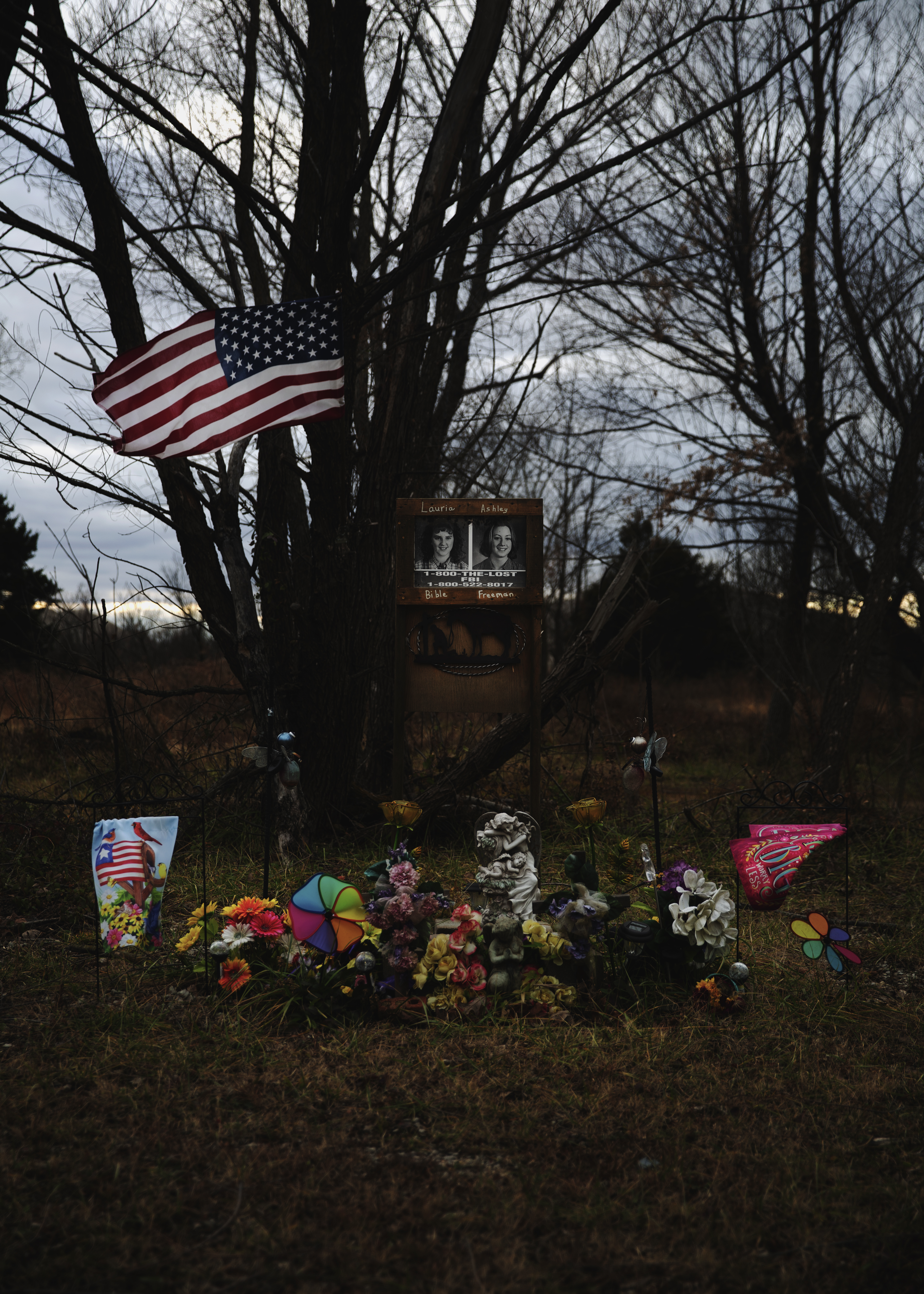
A shrine to Luaria Bible and Ashley Freeman sits at the site of the house police suspect the two were held at before being murdered. The girls went missing in 1999 and were 16 years old.In April 2018 a man named Ronnie Busick was charged with the murder of the two girls. Two other men are suspected of being involved but are now dead. Ethan Weston




 capstone blog